

Year-End Bookkeeping Checklist for Small Businesses: Get Ready for Tax Season
Prepare your business books for tax season with a year-end bookkeeping checklist covering income, expenses, account reconciliation, and records.
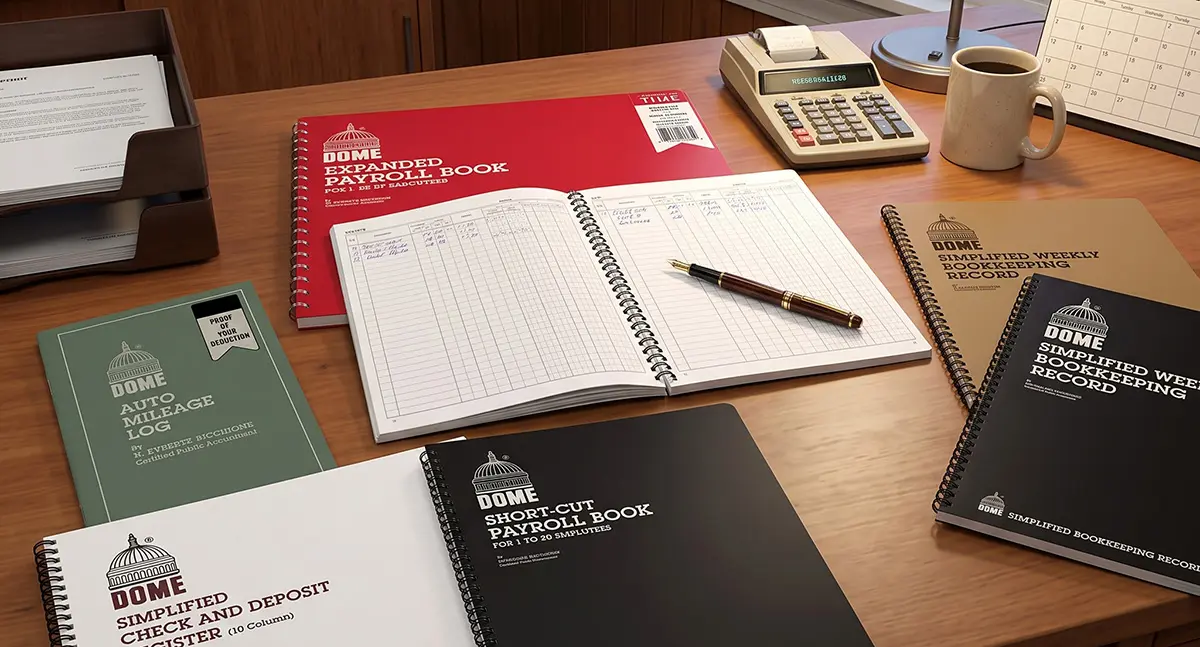
Bookkeeping books give business owners a simple, dependable way to record income, expenses, payments, and financial activity in one organized place. Whether you run a home-based business, provide professional services, sell products, manage rental property, or operate a growing small business, the right accounting record book can make everyday financial tracking easier.
While accounting software is common, paper bookkeeping books remain a practical choice for owners who prefer a hands-on system, want to reduce screen time, need a reliable offline record, or simply want an easy way to review their numbers at a glance. A well-designed monthly account book or weekly bookkeeping record provides structure without subscriptions, complex setup, or a steep learning curve.
Quick answer: The bookkeeping books most small businesses need typically include a monthly or weekly bookkeeping record, a check and deposit register, an expense tracker, a payroll record book, and a mileage log. Landlords and property managers may also benefit from a rental property record. The best option depends on how frequently your business processes transactions and what financial details you need to track.
A bookkeeping book is a structured paper record used to document a business’s financial transactions. Depending on the format, it may include dedicated space for income, expenses, payroll, deposits, checks, mileage, and account balances.
At its core, an accounting book helps answer essential business questions:
Consistency is one of the greatest benefits of using bookkeeping books. When transactions are recorded regularly, financial information is easier to understand, review, share with a tax professional, and use for better business decisions.
The IRS does not require a business to use a specific type of bookkeeping system or accounting software. Instead, business owners should maintain records that clearly show income and expenses, with supporting documents such as receipts, invoices, paid bills, deposit slips, bank statements, and canceled checks.
Digital tools are common in modern business, but physical accounting books continue to offer practical benefits. For many entrepreneurs, a paper ledger is a straightforward way to stay engaged with the financial side of the business without adding another software platform to manage.
Paper bookkeeping books are useful because they are:
The best bookkeeping method is the one you will use consistently. A well-maintained paper ledger is often more useful than a sophisticated system that is only updated at the end of the year.
Every business has different recordkeeping needs. A freelance consultant may only need a monthly bookkeeping record and mileage log, while a retail shop may need a weekly record, check register, and payroll book.
Review these common accounting books to determine which combination fits your workflow.
A monthly bookkeeping record is designed for businesses that organize income and expenses on a monthly schedule. It is a practical choice for freelancers, consultants, sole proprietors, home-based businesses, and lower-volume operations that prefer a manageable month-end review routine.
Key features to look for:
The Dome Monthly Bookkeeping Record is a full-year cash record-keeping system for small businesses. It includes monthly income and expense tracking, a payroll section for up to six employees, a detachable summary sheet, and a calendar of important dates. Its flexible format allows business owners to begin at any point in the year.
A monthly account book works especially well when business owners reconcile financial activity once a month. For example, a consultant may review invoices, client payments, bank deposits, software subscriptions, travel expenses, and office purchases at month-end before filing supporting receipts and documents.
A weekly bookkeeping record is designed for businesses with frequent transactions that need closer visibility into cash flow. It is a useful option for retailers, salons, contractors, restaurants, service providers, and active e-commerce businesses.
Key features to look for:
The Dome Weekly Bookkeeping Record is a full-year cash record-keeping system for small businesses and sole proprietors. It is well suited to owners who process multiple transactions each week and want a more regular bookkeeping rhythm.
Dome’s bookkeeping category recommends weekly records for businesses with frequent daily activity, while monthly records are better suited to lower-volume businesses or those that reconcile finances monthly. Both formats are CPA-designed and include expense-tracking columns, summary pages, and a calendar of important dates.
A check and deposit register is a chronological record of money moving through a business bank account. It can be used to track checks written, electronic payments, debit-card purchases, deposits, bank fees, and running account balances.
Even when a business uses online banking, a physical register can be valuable because it helps account for transactions that may not yet appear in the bank balance, such as:
The Dome Check and Deposit Register is a 10-column, wire-bound register designed for small businesses and sole proprietors. It includes 50 pages with room for 25 entries per page, making it a practical companion to a monthly or weekly bookkeeping record.
Businesses with employees need organized records of wages, hours, deductions, payment dates, and payroll-related information. A general bookkeeping record may be enough for a very small team, but a dedicated payroll book is often a better choice when payroll activity becomes more complex.
For example, the Dome Monthly and Weekly Bookkeeping Records include payroll space for up to six employees. Businesses with more employees may benefit from a dedicated payroll record book.thedomecompanies+1
The Dome Expanded Payroll Book is designed for small to mid-sized businesses that need more detailed payroll tracking. The Dome Short-Cut Payroll Book provides a streamlined payroll recordkeeping option for businesses with a larger number of employees.thedomecompanies+1
Payroll requirements vary by business location, employee classification, tax obligations, and payroll practices. A payroll record book can help organize information, but businesses should work with a qualified payroll or tax professional when they need guidance on employment taxes, withholding, reporting, or record-retention obligations.
The right choice between a monthly and weekly bookkeeping book depends primarily on transaction volume and how often you want to review your finances.
| Consideration | Monthly Bookkeeping Book | Weekly Bookkeeping Book |
| Best for | Lower-volume businesses and monthly review routines | Businesses with frequent transactions and closer cash-flow monitoring needs |
| Recording rhythm | Monthly batching or entries made as transactions occur | Weekly entries or updates multiple times per week |
| Ideal users | Freelancers, consultants, sole proprietors, home-based businesses | Retailers, contractors, service businesses, salons, restaurants, and e-commerce sellers |
| Primary benefit | Straightforward organization with less frequent review time | More detailed visibility into income, expenses, and cash activity |
| Best use case | A consultant recording client payments and monthly expenses | A contractor tracking customer payments, supplies, fuel, and weekly operating costs |
Choose a monthly bookkeeping record if your business has fewer transactions or you prefer to organize and reconcile finances once per month. Choose a weekly bookkeeping record if you make frequent sales, purchases, deposits, or payroll payments and need a more current view of cash flow.
The best accounting record book should fit the way your business actually operates. Before choosing one, consider the following factors.
Businesses with a limited number of transactions each month may find a monthly bookkeeping record more than adequate. Businesses that process multiple transactions per day or week will often benefit from a weekly ledger.
Think about how often you receive customer payments, make supply purchases, write checks, deposit funds, pay employees, or use a business debit card. The more frequent the activity, the more useful a weekly tracking format may be.
Your main bookkeeping book may not be the only record you need. Consider whether your business also requires:
Choosing the right combination of recordkeeping tools can make year-end organization much easier.
Choose a physical format and layout that fits your daily habits. If a book is too complicated, too large, or does not provide enough room for the information you need, it may be difficult to maintain consistently.
Some owners prefer a detailed ledger with many columns, while others need a compact register they can keep with a checkbook or in a vehicle. The best choice is the format you will realistically use throughout the year.
A bookkeeping system should not require you to wait until January to get organized. Dome’s monthly and weekly bookkeeping records are full-year systems designed to be started at any time.thedomecompanies+1
This is particularly useful for new businesses, owners moving away from spreadsheets, and anyone who wants to create better financial habits before year-end.
A bookkeeping book is most useful when it becomes part of a repeatable routine. You do not need to spend hours every day on recordkeeping, but regular updates help prevent missing entries, misplaced receipts, and stressful year-end catch-up.
Use this simple process to stay organized:
Every business deserves a straightforward, reliable way to organize its financial activity. The right bookkeeping books can help small-business owners track income, manage expenses, monitor cash flow, prepare information for tax season, and make everyday financial decisions with more confidence.
Founded in 1940 by CPA Nicholas Picchione, The Dome Companies has produced record-keeping systems for more than 80 years. Dome’s Accounting & Bookkeeping collection includes monthly and weekly bookkeeping records, payroll books, check and deposit registers, mileage logs, rental property records, and other practical tools for business and household recordkeeping.thedomecompanies+1
Whether you need a monthly account book for lower-volume activity, a weekly bookkeeping record for more frequent transactions, or specialized tools for payroll, mileage, banking, or rental properties, Dome offers paper recordkeeping products designed to make financial organization easier.
Ready to organize your business finances? Explore Dome’s accounting and bookkeeping books to find a practical recordkeeping system for your workflow.
Disclaimer: This guide is for informational purposes only and does not constitute tax, legal, accounting, or payroll advice. Consult a qualified professional regarding your specific business structure, recordkeeping responsibilities, and tax obligations.
Yes. The IRS does not require businesses to use accounting software or a specific bookkeeping format. Your recordkeeping system should clearly and accurately show business income and expenses, and your entries should be supported by documents such as receipts, invoices, deposit slips, bank statements, paid bills, and canceled checks.
Yes. Dome’s Monthly and Weekly Bookkeeping Records are full-year systems with flexible start dates, allowing you to begin tracking income and expenses at any point in the year rather than waiting until January 1.
Not necessarily. A physical bookkeeping book can be a practical primary recordkeeping system for many freelancers, sole proprietors, landlords, and smaller service businesses, provided it is maintained consistently and accurately. Other businesses choose to use paper check registers or mileage logs alongside accounting software as an accessible offline reference.
Choose a monthly bookkeeping record if your business has a lower number of transactions or you prefer a month-end review routine. Choose a weekly bookkeeping record if your business processes multiple sales, purchases, deposits, or payroll activities each week and needs closer visibility into cash flow.
Consistency is key. Record income as it is received, categorize expenses when they occur, update your check register, reconcile your financial records regularly, and file supporting receipts or invoices in an organized folder or envelope. Keeping your records current throughout the year can turn tax preparation into a review process instead of a last-minute scramble.
Prepare your business books for tax season with a year-end bookkeeping checklist covering income, expenses, account reconciliation, and records.

Help Others Find Tools That Keep Life Moving The right tools can make everyday work, planning, record-keeping, reflection, and self-care feel more manageable. For generations,
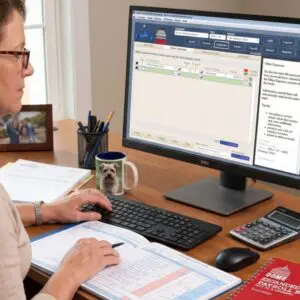
Compare physical record keeping books for business against digital accounting software. Learn IRS compliance facts, security risks, and how to build an accurate hybrid system.

Explore 50 journal prompts for middle school students about friendships, feelings, identity, school, and growing up. Ideal for classrooms, counseling, or home.


Receive news and promotions by email from The Dome Companies. You can unsubscribe whenever you want.
By submitting this form, you are consenting to receive marketing emails from the Dome Companies. You can revoke your consent to receive emails at any time by using the unsubscribe link, found at the bottom of every email. We will not sell your inforation.